
How Can Exercise Improve Your Mental Health?
- Jun 5
- 6 min read
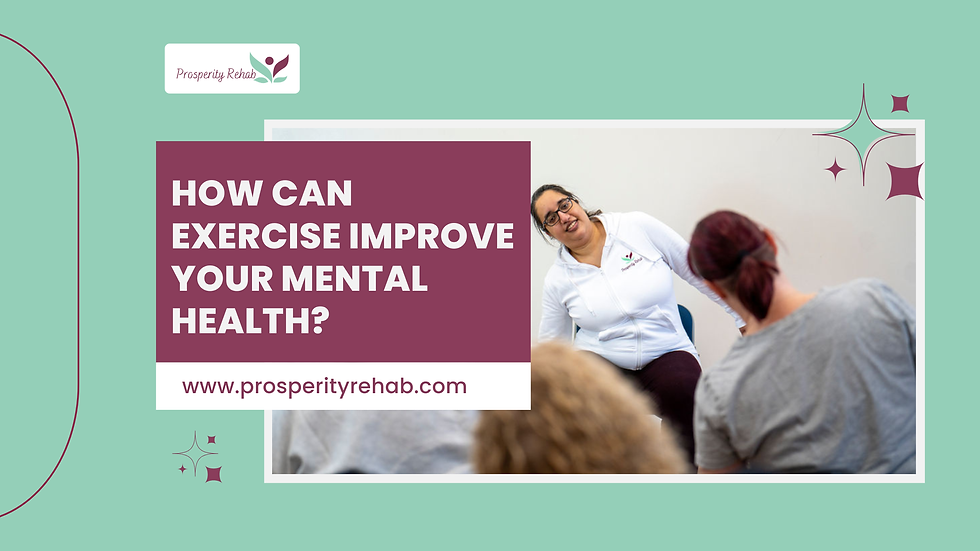
Mental health plays a major role in how people think, feel, and handle daily challenges. Stress, anxiety, depression, and emotional fatigue can affect anyone, regardless of age or lifestyle. While therapy, medication, and social support often help manage these conditions, physical activity remains one of the most effective natural tools for improving mental well-being.
Exercise does far more than strengthen muscles or improve cardiovascular health. It helps regulate emotions, boosts mood, improves sleep, and increases energy levels. Regular movement can create positive changes in both the brain and body, making it easier to cope with life's pressures.
Whether you enjoy walking, running, swimming, yoga, or strength training, adding physical activity to your routine can support a healthier and more balanced state of mind.
The Connection Between Exercise and Mental Health
The body and mind work together in ways many people do not realize. When you exercise, your brain releases chemicals that help improve mood and reduce emotional strain. These natural changes can help you feel calmer, happier, and more focused.
Physical activity also reduces the production of stress hormones that often contribute to anxiety and tension. As a result, exercise creates a natural sense of relief that many people notice shortly after a workout.
Health professionals often recommend exercise for mental health support because it provides benefits that extend well beyond physical fitness.
How Exercise Boosts Mood
Increases Feel-Good Chemicals
Exercise stimulates the release of endorphins, dopamine, and serotonin. These chemicals play an important role in mood regulation and emotional stability.
When these natural substances increase, many people experience improved happiness, reduced irritability, and a stronger sense of well-being. Even a short session of physical activity can create a positive shift in mood.
Creates a Sense of Achievement
Setting fitness goals and reaching them can improve self-confidence. Whether you complete a daily walk, lift heavier weights, or finish a workout you once found challenging, each accomplishment builds confidence.
This sense of achievement often carries over into other areas of life, helping people feel more capable and motivated.
Provides a Healthy Break
Daily responsibilities can become overwhelming. Exercise offers an opportunity to step away from stressful situations and focus on movement. This temporary mental break can refresh the mind and improve emotional balance.
How Exercise Helps Reduce Stress
Lowers Stress Hormones
Stress activates the body's fight-or-flight response, increasing hormones such as cortisol and adrenaline. While this response helps during short-term challenges, prolonged stress can affect both mental and physical health.
Exercise helps regulate these hormones and allows the body to return to a calmer state. As stress levels decrease, many people notice improvements in mood, concentration, and overall wellness.
Relieves Physical Tension
Stress often causes tight muscles, headaches, and body aches. Physical activity increases blood flow and helps release built-up tension throughout the body.
Activities such as stretching, walking, and yoga can help reduce discomfort while promoting relaxation.
Improves Daily Resilience
People who exercise regularly often cope better with stressful situations. Physical activity strengthens the body's ability to respond to challenges without becoming overwhelmed.
Over time, this can lead to greater emotional stability and improved stress management.
Exercise and Anxiety Management
Anxiety can create racing thoughts, excessive worry, and physical symptoms such as increased heart rate or muscle tension. Exercise offers several benefits that can help manage these symptoms.
Shifts Focus Away From Worry
Physical activity requires attention and concentration. Whether you focus on breathing, movement, or technique, exercise redirects the mind away from anxious thoughts.
This shift allows the brain to take a break from constant worry and creates a sense of mental relief.
Promotes Relaxation
Many forms of exercise support relaxation through rhythmic movement and controlled breathing. Activities like swimming, yoga, and walking can help calm the nervous system and reduce feelings of anxiety.
Builds Emotional Confidence
As physical fitness improves, confidence often grows as well. Increased confidence can make it easier to handle social situations, workplace demands, and personal challenges that may trigger anxiety.
How Exercise Supports People With Depression
Depression often affects motivation, energy, sleep, and overall quality of life. While exercise should not replace professional treatment when needed, it can serve as a valuable part of a mental health care plan.
Improves Energy Levels
Depression frequently causes fatigue and low motivation. Regular physical activity increases circulation and oxygen flow, helping people feel more energized throughout the day.
Supports Better Sleep
Sleep problems often accompany depression. Exercise helps regulate sleep patterns and promotes deeper, more restorative rest.
Quality sleep allows the brain and body to recover more effectively, which can positively influence mood.
Encourages Social Interaction
Many forms of exercise involve group participation. Fitness classes, sports teams, walking groups, and gym communities can help reduce feelings of isolation and create meaningful social connections.
The Impact of Exercise on Brain Health
Physical activity supports healthy brain function in several ways.
Increases Blood Flow to the Brain
Exercise improves circulation, delivering oxygen and nutrients that help support cognitive performance and emotional health.
Supports Memory and Focus
Regular movement can improve concentration, attention, and memory. Many people notice clearer thinking and better productivity when they maintain an active lifestyle.
Promotes Long-Term Mental Wellness
Consistent exercise supports brain health as people age. Staying active may help maintain cognitive function and contribute to long-term emotional stability.
Why Recovery Matters for Mental Health
Many people focus on workouts while overlooking recovery. However, recovery plays a key role in maintaining both physical and emotional wellness.
Without proper recovery, fatigue can increase and stress levels may rise. Giving the body time to rest allows it to repair and recharge.
Many fitness professionals recommend recovery exercises to help you feel better after intense workouts or demanding days. These activities promote relaxation while supporting healthy recovery.
Effective Recovery Activities
Gentle stretching
Light walking
Deep breathing exercises
Meditation
Low-intensity yoga
Mobility exercises
Adding recovery exercises to help you feel better to your weekly routine can help reduce tension and improve overall well-being.
Building a Sustainable Exercise Routine
Consistency matters more than perfection. You do not need long or intense workouts to improve mental health.
Start with realistic goals and focus on gradual progress. Even 20 to 30 minutes of activity several days a week can provide meaningful benefits.
Here are a few simple strategies:
Choose Activities You Enjoy
People are more likely to stay active when they enjoy their workouts. Select activities that fit your interests and lifestyle.
Schedule Exercise Like an Appointment
Setting aside dedicated time for physical activity helps build consistency and accountability.
Focus on Progress
Avoid comparing yourself to others. Pay attention to your own improvements and celebrate small achievements along the way.
Stay Flexible
Some days may not go as planned. Missing a workout occasionally is normal. What matters most is returning to your routine and maintaining long-term consistency.
Final Thoughts
Exercise serves as a powerful tool for improving mental health. It helps reduce stress, manage anxiety, support people dealing with depression, improve sleep quality, and strengthen emotional resilience. Regular physical activity creates positive changes in both the brain and body, helping people feel healthier, stronger, and more balanced. Many healthcare professionals recommend exercise for mental health support because of its lasting benefits for emotional wellness. When combined with healthy habits and professional care when necessary, exercise can become an important part of a healthier lifestyle. For those seeking additional guidance and support on their wellness journey, Prosperity Rehab offers valuable resources designed to help individuals achieve better physical and mental well-being.
FAQs
1. How does exercise improve mental health?
Exercise helps improve mental health by releasing mood-boosting chemicals in the brain, reducing stress hormones, improving sleep quality, and increasing self-confidence. Regular physical activity can also help manage symptoms of anxiety and depression.
2. What is the best exercise for mental health?
There is no single best exercise for everyone. Walking, jogging, swimming, cycling, yoga, and strength training can all support mental well-being. The most effective option is the activity you enjoy and can do consistently.
3. Can exercise help reduce anxiety?
Yes. Exercise can reduce anxiety by lowering stress hormones, promoting relaxation, and shifting focus away from negative thoughts. Many people notice reduced anxiety symptoms after regular physical activity.
4. Is walking good for mental health?
Yes. Walking is one of the simplest and most effective forms of exercise for mental wellness. It can help reduce stress, improve mood, increase energy levels, and support better sleep.
5. Can exercise help with depression?
Exercise may help reduce symptoms of depression by increasing serotonin and endorphin levels, improving sleep, boosting energy, and creating a sense of accomplishment. It can work alongside professional treatment when needed.
6. Are recovery exercises important for mental wellness?
Yes. Recovery activities such as stretching, light walking, deep breathing, and yoga help reduce tension, support relaxation, and allow the body and mind to recover from physical and emotional stress.



Comments